
Drywall patching in Irving, TX: When to Hire a Handyman
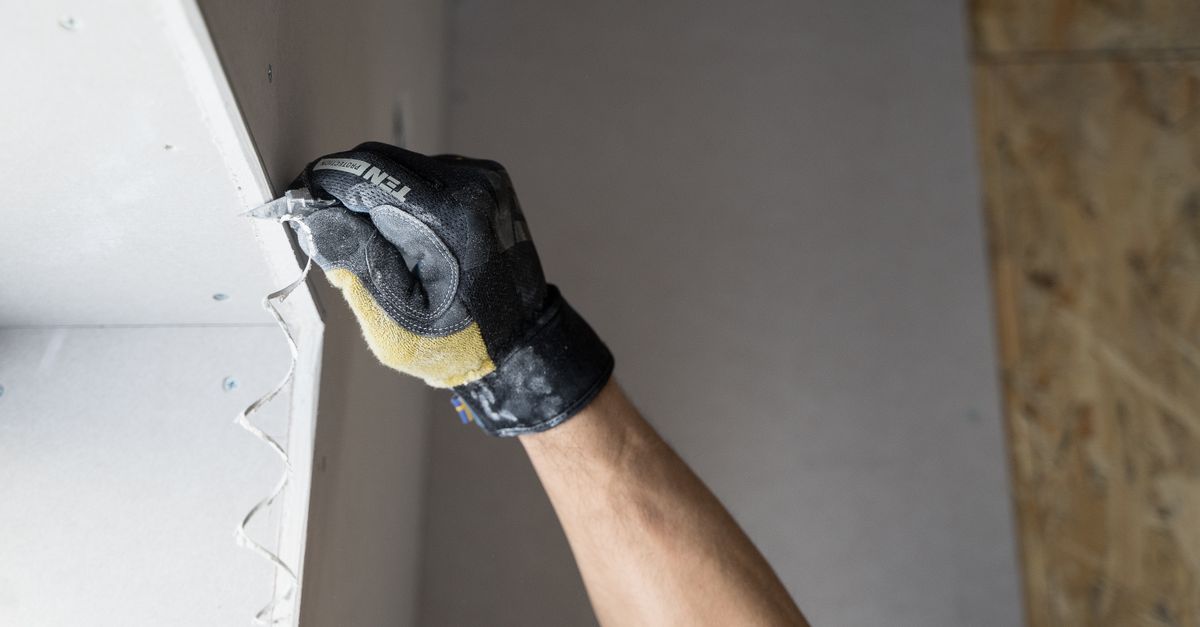
When a hole appears on your wall or a section of drywall starts to crumble, you need a quick fix that looks seamless. Drywall patching is the go‑to solution for most home repairs, but deciding whether to DIY or call a professional can be tricky—especially in Irving, TX where climate and construction styles vary. A well‑executed repair not only restores the wall’s appearance but also prevents future moisture problems, cracks, and costly structural issues.
Understanding Drywall Patching
Drywall patching involves filling damaged areas with joint compound, applying tape, sanding, and repainting so the wall looks new. The process seems simple, yet it requires precise technique to avoid visible seams or uneven texture. In my experience, a single misstep can leave a patch that stands out for months.
Key Steps in Professional Drywall Patching
- Assessment of damage size and type
- Removal of loose material and preparation of surface
- Installation of backing (mesh or wood) if needed
- Application of joint compound layers with proper feathering
- Sanding to achieve a smooth finish
- Priming and repainting for color match
The precision in each step ensures the patch blends naturally with the surrounding wall. A professional will also check for hidden moisture behind the drywall, seal any cracks that could allow water ingress, and use a high‑quality primer to lock in the paint.
Beyond these basics, expert handymen consider factors such as wall texture (smooth vs. popcorn), ambient humidity, and the type of finish paint you’re using. For example, if your room has a subtle stippled finish, a seasoned professional can replicate that pattern with a specialized sand‑mix or by applying a thin layer of joint compound over the entire patched area before sanding.
Signs You Need Professional Help
While small nail holes can be patched with a quick DIY kit, larger issues demand professional attention. Look out for:
- Cracks wider than 1 inch or that spread over time
- Water damage or mold growth on the wall surface
- Poor structural support after a fall or impact
- Multiple patches needed across rooms or large areas
- Inconsistent texture or color that can't be matched easily
If any of these conditions apply, hiring a handyman in Irving, TX can prevent further damage and save you time. In my experience, ignoring early signs often leads to costly repairs later.
A common misconception is that a single patch will stop future cracking. However, if the underlying cause—such as settling foundations or HVAC duct vibrations—is not addressed, new cracks may appear elsewhere on the same wall. A local professional can identify these root causes and recommend additional measures like installing expansion joints or reinforcing studs.
How a Handyman in Irving, TX Can Improve Your Project
A local professional brings more than just tools; they offer:
- Knowledge of regional building codes and insulation standards
- Access to high-quality materials tailored for Texas humidity
- Time‑saving techniques that reduce labor hours
- Expertise in matching paint colors and finishes for seamless results
- Ability to handle unexpected complications without extra charges
This expertise means your wall will look better, last longer, and avoid future maintenance issues. A skilled handyman also knows how to prepare the area to prevent dust from spreading during sanding, which is especially important in older homes where insulation may be compromised.
Irving’s seasonal swings—from humid summers to dry winters—can cause drywall to expand or contract. Professionals use moisture‑resistant joint compounds and sealants that accommodate these changes without cracking again. They also apply a primer that creates a barrier against humidity, preserving the paint’s integrity for years.
What to Expect When Hiring a Local Handyman
Before you sign on the dotted line, know what a typical service interaction looks like:
- Initial Consultation: The handyman will visit your home, assess damage, and provide an estimate.
- Materials Procurement: They source quality drywall, joint compound, and paint to match your existing wall.
- Clean‑up: The area is left clean with minimal dust or debris.
- Follow‑Up: A quick check after 24 hours ensures the patch holds up under normal conditions.
This streamlined process minimizes disruption to your daily life and guarantees a high‑quality finish. Many handymen also offer a short warranty on their work, giving you peace of mind if a crack reappears within weeks.
During the consultation, a seasoned professional will ask about recent events—such as a storm or new appliance installation—that might have caused the damage. They’ll also look for hidden cavities behind the drywall that could harbor moisture, using a moisture meter when necessary. This diagnostic step can prevent future failures and save you from having to redo work later.
Cost Considerations and Budgeting
Drywall patching costs can vary based on size, complexity, and local labor rates. Typical ranges include:
- $75–$120 per square foot for a single small repair.
- $200–$500 for medium‑size projects involving multiple rooms or larger holes.
- Large-scale renovations can exceed $1,000, especially if structural reinforcement is required.
In my experience, investing in a reputable handyman often saves money by preventing repeat repairs. Always request a written estimate and confirm what’s included—materials, labor, and any potential additional charges. Some handymen offer bundled services (e.g., patching plus paint touch-up) that can reduce overall cost.
It’s also worth comparing the long-term savings of hiring a professional versus DIY. A poorly patched wall may develop mold or require repainting within a year, which can add to your expenses. Conversely, a high-quality repair keeps the wall in top condition for years, making the upfront investment worthwhile.
Key takeaway: For drywall patches larger than a nail hole or when water damage is present, hiring a local professional guarantees durability and aesthetic consistency. What’s the biggest challenge you’ve faced when attempting to patch drywall yourself?


