
How Can I Efficiently Manage Flat-Pack Furniture Assembly and Property Maintenance in 2026?
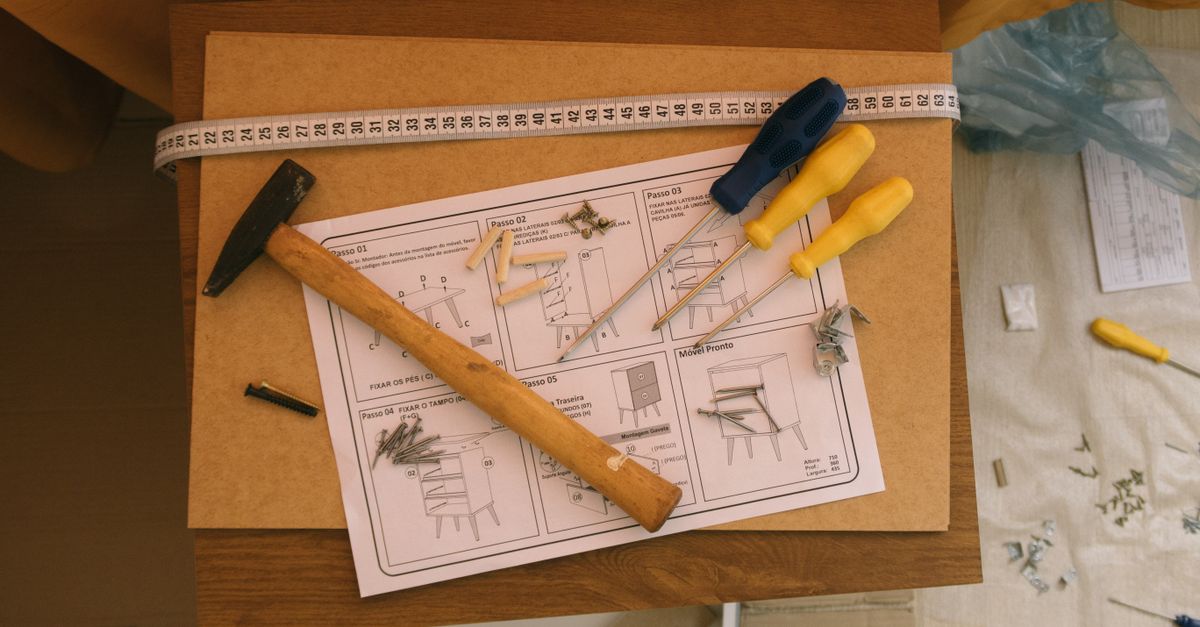
I’m a hands‑on entrepreneur who’s built several businesses around the idea that small tasks can be optimized into scalable services. In 2026, real estate agents and property owners still face the same pain points: time‑consuming flat-pack furniture assembly, unpredictable maintenance needs, and costly basement repairs. This article breaks down each challenge, shows how to select a reliable handyman for real estate agents, outlines small-scale renovations that boost value, lays out a general property maintenance checklist, and explains when basement repair services are essential.
1. Assessing Flat‑Pack Furniture Assembly Needs
Flat-pack furniture is popular because it’s cheap and easy to ship, but the assembly can be a logistical nightmare for agents who want listings ready quickly. I’ve seen three common scenarios:
- Bulk Delivery: Large volumes of modular pieces arrive at the property; coordination with delivery trucks and storage space is critical.
- Time‑Sensitive Staging: Listings go live within 24–48 hours, leaving little room for errors.
- Client Preferences: Some buyers request custom configurations that deviate from standard assembly instructions.
The key is to integrate a dedicated flat-pack assembler into your workflow. A skilled technician can reduce on‑site time by up to 70% and prevent damage that would otherwise cost extra repairs or reorders.
Checklist for Choosing a Flat-Pack Assembly Partner
- Experience with major brands (IKEA, Wayfair, etc.)
- Availability aligned with your listing schedule
- Clear communication channel (email + instant messaging)
- Proof of liability insurance and worker safety training
- Transparent pricing model—hourly vs. project‑based
The best assembly partners are those who can work autonomously, handle multiple units simultaneously, and communicate proactively about delays.
Beyond the basic checklist, consider the following operational details to streamline the process:
- Pre‑Assembly Inventory Audit: Use a digital inventory sheet or mobile app to tag each component before it arrives. This reduces confusion when multiple units share similar parts and speeds up the unpacking stage.
- Dedicated Assembly Workspace: Allocate a clean, flat area within the property where all pieces can be laid out side‑by‑side. A well‑organized workspace prevents misplaced screws or missing hardware.
- Tool Kit Standardization: Provide your assembler with a master set of tools—Allen keys, torque wrenches, rubber mallets—and ensure that each piece’s instruction manual is printed and visible during the build.
- Quality Control Snapshots: Capture photos after each major step (e.g., frame assembled, cabinet doors installed). These images serve as evidence of completion and help catch any assembly errors before the agent stages the room.
2. Selecting a Handyman for Real Estate Agents
A handyman’s role extends far beyond simple repairs. For real estate agents, the right professional becomes an asset that ensures properties remain market‑ready with minimal downtime. I’ve built a network of vetted handymen who specialize in:
- Minor electrical and plumbing fixes
- Drywall patching and paint touch‑ups
- Furniture assembly (including flat-pack)
- Pre‑sale inspections for hidden issues
When hiring, consider these factors:
Criteria to Evaluate Potential Handymen
- Local licensing and certifications
- Track record of on‑time completion (look at past client testimonials)
- Capacity for emergency calls outside regular hours
- Availability of a dedicated point person for each property
- Competitive but fair pricing, with no hidden fees
In my experience, the most reliable handymen are those who treat every job as if it’s their own home—attention to detail and ownership of outcomes.
To further refine your selection process, implement a short on‑site assessment. Invite candidates to demonstrate a quick repair—such as fixing a leaky faucet or patching drywall—and evaluate not only speed but also the quality of their workmanship. Ask for a written scope of work and a clear timeline; this transparency will reduce misunderstandings later.
3. Small-Scale Renovations That Add Value
When a property is on the market, small-scale renovations can significantly increase its appeal without breaking the bank. I’ve implemented several high‑ROI projects that are quick to execute:
- Replacing outdated light fixtures with LED fixtures for instant brightness and energy savings.
- Updating cabinet hardware in kitchens or bathrooms—cheap yet impactful.
- Applying fresh paint to high-traffic rooms; neutral palettes sell faster.
- Installing crown molding or simple trim work to add architectural interest.
- Replacing worn carpet with durable vinyl plank flooring.
Step‑by‑Step Guide for Quick Renovations
- Plan: Identify the three most visible areas—kitchen, living room, master bedroom.
- Budget: Allocate 10–15% of the projected sale price to renovation costs.
- Source Materials: Use bulk purchasing from local suppliers for cost savings.
- Schedule Work: Coordinate with your handyman to minimize downtime during showings.
- Inspect: Conduct a final walk‑through before listing to ensure quality.
These targeted upgrades keep the property competitive in a crowded market and often lead to higher offers within weeks.
Below are three additional renovation ideas that can be completed in under two days each, yet they deliver noticeable visual impact:
- Backsplash Installation: A simple tile or peel‑and‑stick backsplash in the kitchen not only protects walls but also creates a focal point. Most installers finish a standard 10 × 6 foot area within half a day.
- Window Seat Upgrade: Replacing old window seats with new cushions and trim can instantly modernize a living room or bedroom, especially in homes where the windows are a key selling feature.
- Smart Lighting Controls: Installing dimmable LED fixtures and smart switches adds convenience for buyers. The installation typically takes an hour per fixture, but the perceived tech-savvy upgrade is worth the effort.
4. General Property Maintenance Checklist
Regular maintenance prevents costly surprises, especially for rental properties or investor portfolios. A proactive approach saves time and money in the long run.
Monthly Maintenance Tasks
- Inspect HVAC filters—replace every 3 months.
- Check water pressure and look for leaks around fixtures.
- Test smoke and carbon monoxide detectors; replace batteries quarterly.
- Clean gutters to avoid overflow damage.
- Verify that all exterior paint and siding are intact.
Quarterly Maintenance Tasks
- Service HVAC system with a professional technician.
- Inspect roof for missing shingles or moss buildup.
- Test plumbing shutoff valves for functionality.
- Clean dryer vents to reduce fire risk.
- Review pest control schedules and apply treatments as needed.
Additionally, seasonal tasks can further safeguard your investment:
- Spring: Inspect the foundation for new cracks after thawing snow; clean exterior windows for a fresh look.
- Summer: Check outdoor faucets and irrigation systems for leaks or clogs.
- Fall: Seal gaps around doors and windows to keep drafts out; replace weather stripping if worn.
- Winter: Inspect insulation in attics and crawl spaces to prevent ice dams; test heating systems before the coldest months.
By following these checklists, you can catch problems early—often before they become major repair jobs or lead to tenant complaints.
5. Basement Repair Services: When and How to Act
Basements are a hidden vulnerability in many properties. Moisture issues, structural cracks, or inadequate waterproofing can devalue a home or create health risks. I’ve guided clients through the decision‑making process for basement repairs.
Signs You Need Basement Repair Services
- Persistent dampness or mold growth on walls and floors.
- Visible cracks that widen over time.
- Inconsistent temperature or high humidity readings.
- Structural sagging in support beams or joists.
- Unusual odors indicating potential sewage issues.
Choosing the Right Basement Repair Professional
- Verify experience with waterproofing and foundation work.
- Ask for a detailed estimate that includes materials, labor, and contingency costs.
- Confirm they use proper testing equipment (e.g., moisture meters).
- Inquire about warranties on both workmanship and materials.
- Request references from recent clients with similar projects.
Addressing basement problems early protects your investment and keeps tenants or buyers comfortable. A comprehensive repair might involve sealing cracks, installing sump pumps, applying vapor barriers, or reinforcing structural supports—all tasks that a qualified specialist can execute efficiently.
If you’re unsure whether to tackle a minor moisture issue yourself, consider a quick diagnostic visit from a licensed contractor. They can identify hidden problems and recommend the most cost-effective solution—often preventing future expenses that would dwarf the initial repair costs.
Bottom line: integrating flat‑pack assembly, reliable handymen, focused renovations, routine maintenance, and timely basement repairs creates a resilient property portfolio that commands higher prices and reduces turnover. What is the most challenging aspect of maintaining multiple properties for you, and how have you addressed it?


