
How Do I Find a Reliable Handyman for Office Maintenance?
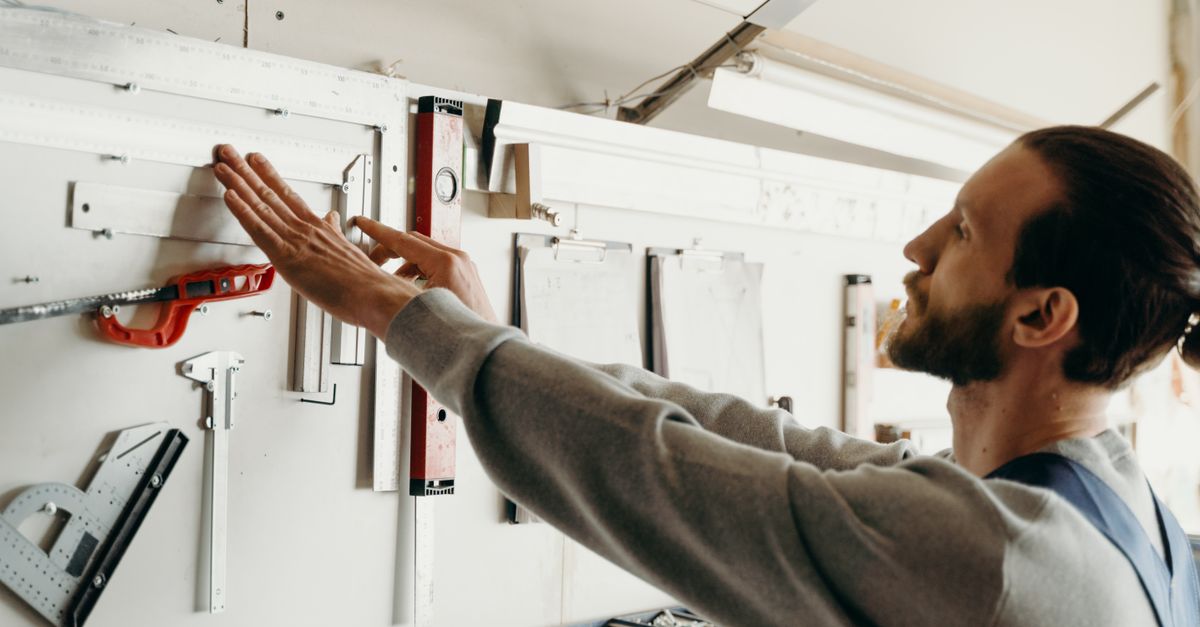
I run a busy office that needs constant upkeep—from fixing a leaky faucet to installing new shelving. If you’re like me and want reliable handyman services without the hassle, this guide will help you pick the right professional for office maintenance, weatherproofing solutions, flat‑pack furniture assembly, and more.
Why I Need a Professional Handyman in My Office
A well‑maintained workspace boosts productivity and reduces downtime. When small issues—like a cracked tile or a squeaky door—are ignored, they can turn into costly repairs that disrupt meetings and client visits. A skilled handyman for office maintenance knows how to spot potential problems early and fix them efficiently, saving you time and money.
In my experience, an office that keeps its infrastructure in check also feels more welcoming to staff and visitors alike. The difference between a polished environment and one that looks neglected can be the deciding factor when clients decide whether to stay or move on.
Beyond aesthetics, routine maintenance protects valuable equipment from environmental damage, extends the lifespan of building components, and often reveals hidden issues before they become emergencies. By investing in preventive care, you create a safer, more reliable workplace that supports your team’s focus on core business tasks.
Core Services I Look for in Reliable Handyman Services
If you’re searching for reliable handyman services, these core skills should be non‑negotiable. They cover everything from routine fixes to more complex installations.
Key Service Areas
- Plumbing repairs and leak detection: From dripping faucets to clogged drains, quick response prevents water damage.
- Electrical troubleshooting and fixture installation: Safe wiring, proper lighting, and outlet upgrades keep the office compliant with codes.
- HVAC maintenance and filter replacement: Regular servicing ensures efficient temperature control and air quality.
- Flooring repair and refinishing (tile, hardwood, carpet): Spot‑repairing worn areas preserves a professional look.
- Interior paint touch‑ups and wall patching: Fresh coats eliminate stains and protect walls from damage.
- Door and window hardware repairs: Smooth operation of locks, hinges, and rollers prevents security risks.
- Furniture assembly and relocation: Properly assembled furniture supports ergonomics and safety.
- Weatherproofing solutions for exterior doors and windows: Sealing gaps reduces drafts and protects against moisture ingress.
By checking off each of these items on a prospective contractor’s résumé, you can be confident that they’ll handle all the day‑to‑day maintenance your office requires.
Weatherproofing Solutions: Protecting Your Office From the Elements
Even in climate‑controlled buildings, weather can sneak in through cracks, gaps, and poorly sealed windows. A handyman with expertise in weatherproofing solutions will:
- Seal air leaks around doors and windows to reduce heating and cooling costs.
- Apply waterproof coatings to exposed surfaces prone to moisture damage.
- Install storm shutters or protective films on glass panels.
- Assess roof flashing and gutters for proper drainage.
These interventions prevent mold growth, structural deterioration, and energy waste—issues that can derail office operations if left unchecked. For example, a single unsealed window edge in the winter can double heating bills while creating condensation that stains adjacent walls. A quick weatherproofing job often pays for itself within months through reduced utility expenses.
Flat‑Pack Furniture Assembly: DIY or Handyman?
Many businesses purchase flat‑pack furniture to save on upfront costs. However, assembling these pieces correctly is crucial for safety and durability.
- DIY Pros: Saves money if you have the time and tools.
- DIY Cons: Risk of incorrect assembly leading to wobble or collapse.
- Handyman Pros: Quick, professional setup ensures proper alignment and safety.
- Handyman Cons: Slightly higher cost than DIY but often worth the peace of mind.
If your office is in a rush to get operational or you want to avoid the frustration of misaligned pieces, hiring a handyman for flat‑pack furniture assembly is the smarter choice. It also frees you and your team to focus on core tasks instead of spending hours on a table leg.
When working with a professional, you typically receive a brief walkthrough of the assembly process, followed by the handyman’s inspection of each joint before moving on. This systematic approach reduces the risk of future adjustments or repairs that could disrupt daily operations.
Hiring Process: Questions That Uncover Quality
Choosing the right contractor starts with asking the right questions. Here’s what I always do before signing a contract:
- Can you provide references from recent office maintenance projects?
- What is your typical turnaround time for small fixes and larger installations?
- Do you hold liability insurance and worker’s compensation coverage?
- How do you handle unexpected issues that arise during a job?
- What are your rates—hourly, per project, or retainer—and what does each include?
- Will you supply the necessary tools and materials, or should I purchase them?
- Can you provide a written estimate before starting work?
Additional considerations can refine your selection:
- Licensing verification: Confirm that required local permits are in place for electrical or plumbing work.
- Background checks: For security‑sensitive offices, ensure the contractor’s team has passed basic vetting.
- Communication plan: Establish a single point of contact and preferred methods (email, phone, project management tool).
These questions help gauge reliability, professionalism, and cost transparency. A contractor who answers confidently and provides clear documentation is likely to be trustworthy.
Avoiding Common Mistakes When Using Handyman Services
Even with the best vendor, mistakes can happen if you don’t set expectations properly:
- Underestimating Scope: Clearly outline all tasks; vague requests lead to incomplete work.
- Skipping Insurance Verification: Without liability coverage, damages could cost you out of pocket.
- Ignoring Follow‑Up: Ask for a post‑work inspection to catch hidden issues early.
- Overlooking Maintenance Plans: A periodic maintenance agreement can reduce emergency repairs.
By addressing these pitfalls, you’ll maximize the return on investment from your handyman services and keep your office running smoothly.
Practical Tip: Create a Maintenance Log
Maintain a simple spreadsheet listing tasks performed, dates, contractor names, and any follow‑up actions required. This record helps spot recurring issues and demonstrates due diligence if insurance claims arise.
Expectation Management
Set realistic timelines for each project and communicate them to the contractor. If unexpected delays occur—such as a supplier shortage—request an updated schedule so you can adjust internal plans accordingly.
Key takeaway: A reliable handyman for office maintenance should cover plumbing, electrical, HVAC, flooring, painting, furniture assembly, and weatherproofing—each essential to a productive workspace.In my experience, the most cost‑effective strategy is to combine preventive maintenance with a trusted contractor who can handle both routine tasks and emergency repairs. This approach keeps downtime low and energy bills predictable.
What’s one small office maintenance issue you’ve been putting off that could benefit from professional attention?


