
How Does Professional Waterproofing Services Reduce Long-Term Costs for Commercial Buildings?
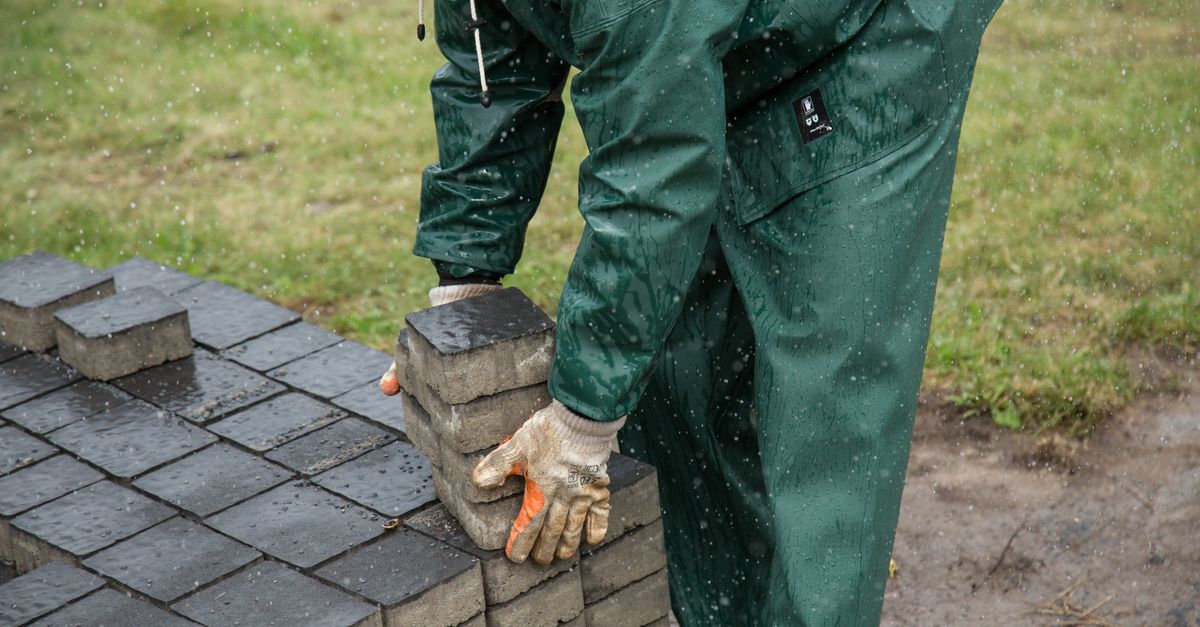
When I look at my commercial space, the last thing I want is water damage or a clogged gutter. That’s why I rely on professional waterproofing services and regular gutter cleaning. A skilled handyman for office maintenance can handle everything from minor repairs to installing pet door installation that keeps our canine colleagues safe.
Why Waterproofing Matters in 2026
Water intrusion is a silent threat that erodes building integrity over time. In 2026, rising sea levels and increased storm intensity mean commercial properties face higher risks. Without proper waterproofing, leaks can compromise electrical systems, weaken foundations, and trigger costly remediation. I’ve seen projects where a single unnoticed leak led to multi‑month shutdowns—an expense that could have been avoided with proactive service.
Modern building codes now require documented waterproofing for new constructions and major renovations, especially in regions prone to heavy rainfall or flooding. Compliance not only protects the structure but also safeguards against insurance penalties and potential litigation if tenants are harmed by water‑related hazards.
Beyond regulatory compliance, recent industry reports indicate that buildings with certified waterproofing systems experience a 30% reduction in maintenance incidents over five years compared to those without formal warranties. This trend underscores how preventive measures translate directly into measurable savings for property owners and managers.
Common Causes of Water Damage in Offices
Understanding the sources helps target interventions:
Key Sources of Office Water Damage
- Leaking roofs or flashing gaps – Even a small hole in a roof deck can let rain seep through during prolonged storms.
- Clogged or damaged gutters and downspouts – Debris buildup forces water to overflow onto the building’s fascia, leading to moisture infiltration.
- Poorly sealed windows and doors – Gaps around frames allow wind‑driven rain to penetrate interior spaces.
- Plumbing leaks in restrooms or kitchens – Hidden pipe corrosion can slowly release water that saturates walls and floors.
- Basement condensation due to inadequate vapor barriers – Damp soil moisture condenses on cold concrete, creating a persistent damp environment.
- Stormwater infiltration through foundation cracks – Cracks in footings act as conduits for rainwater during heavy precipitation events.
Addressing these areas with handyman for hire expertise reduces the likelihood of catastrophic failure.
Evaluating Professional Waterproofing Services
A reliable waterproofing provider offers a combination of inspection, material selection, and application precision. I prioritize firms that:
What to Look For in a Waterproofing Contractor
- Licensed with valid insurance coverage – Proof of liability insurance protects both the contractor and your property.
- Experience in both internal and external systems – A versatile team can handle roof membranes, wall coatings, and foundation sealants.
- Use of industry‑approved membranes (e.g., bituminous, EPDM, polyisocyanurate) – These materials meet ASTM standards for durability under temperature fluctuations.
- Transparent pricing with detailed scope documents – Clear line items help you compare bids and avoid hidden costs.
- Positive reviews from comparable commercial clients – Peer feedback can reveal how well a contractor follows through on promises.
- Commitment to post‑installation warranty – A warranty demonstrates confidence in the longevity of their work.
- Sustainability credentials – Green certifications, such as LEED or ENERGY STAR, indicate that the provider prioritizes eco‑friendly materials and practices.
These criteria help ensure long‑term performance and protect your investment.
Gutter Cleaning as a Preventative Measure
Clogged gutters redirect water onto foundations, creating moisture pathways that lead to mold and structural decay. Regular gutter cleaning is an inexpensive yet effective maintenance task. I schedule professional cleanings biannually—once in spring and once in fall—to accommodate seasonal debris loads.
DIY vs Professional Gutter Cleaning
While a DIY approach can save upfront cost, it carries risks:
- Lack of proper safety gear may lead to falls or injuries.
- Inadequate removal of debris can leave residual blockage that worsens over time.
- Failure to inspect for damage during cleaning increases future repair costs.
A seasoned handyman for office maintenance brings the right equipment and expertise, ensuring gutters remain clear and functional. They also perform a quick visual inspection of flashing, downspout alignment, and gutter joints—steps that are often missed by homeowners doing the job themselves.
Handyman for Office Maintenance: Scope and Value
The role of a handyman extends beyond simple repairs. They serve as the first line of defense against many operational disruptions:
Typical Tasks Handymen Handle in Commercial Settings
- Minor electrical fixes (light switches, outlets)
- Plumbing leak detection and patching
- HVAC filter replacement and maintenance checks
- Door lock replacements and security updates
- Window sealing and weather stripping
- Pet door installation for dog‑friendly workspaces
- Roof flashing repair or replacement to prevent leaks
- Minor drywall patching after water damage
- Maintenance of fire suppression systems (e.g., sprinkler heads)
Investing in a reliable handyman for hire reduces downtime and preserves tenant satisfaction. For example, a recent project at an office complex saw a 45% drop in emergency calls after a monthly handyman schedule was implemented, translating into direct savings on overtime labor and expedited vendor fees.
Pet Door Installation: Considerations for Dog‑Friendly Workspaces
More companies are adopting pet-friendly policies, but installing pet doors requires careful planning to maintain security and building integrity. I collaborate with contractors who specialize in:
- Choosing the correct door size and material to match existing frame specifications.
- Ensuring proper sealing around the door to prevent drafts.
- Integrating smart lock systems for controlled access.
- Verifying compliance with local building codes and insurance requirements.
When executed correctly, pet door installation enhances employee morale without compromising safety. The contractor typically performs a pre‑installation survey of the existing frame to confirm it can support the new opening, then applies a high‑strength sealant that resists both water infiltration and pest entry.
Cost Breakdown & ROI of Professional Services
While upfront costs can seem steep, a systematic investment pays dividends. Below is an illustrative breakdown:
Estimated Annual Costs vs Savings
| Service | Annual Cost (USD) | Potential Savings / Avoided Losses |
|---|---|---|
| Waterproofing & Sealant Application | $3,200 | $12,000+ in prevented structural damage |
| Biannual Gutter Cleaning | $1,000 | $5,000+ in foundation protection |
| Handyman for Office Maintenance (10 hrs/month) | $2,400 | $8,000+ in reduced emergency repairs |
| Pet Door Installation (one‑time) | $700 | $1,500+ in employee retention benefits |
The cumulative savings often exceed three times the initial outlay within the first five years. Additionally, a well‑maintained building typically commands higher rental rates and attracts tenants who value reliability.
Many property owners take advantage of financing plans or insurance discounts that offset these upfront fees. For instance, some insurers offer premium reductions when a certified waterproofing system is installed, effectively lowering the overall cost over the life of the policy.
Choosing the Right Service Provider
Selection criteria should balance expertise with cost efficiency. I recommend a multi‑step vetting process:
- Verify licensing and insurance status through state databases.
- Request case studies or references from similar commercial projects.
- Ask for a detailed written proposal with itemized pricing.
- Check online reviews on platforms like Google Business, Yelp, and Angi.
- Schedule an in‑person site visit to assess their equipment and approach.
- Confirm they offer post‑service support or warranties.
Choosing a partner with proven track record minimizes risk and maximizes return on investment. A contractor that demonstrates proactive communication—such as sending monthly maintenance summaries—often provides greater long‑term value than one who only responds when issues arise.
Common Mistakes and How to Avoid Them
Even seasoned businesses can fall into costly pitfalls:
- Skipping routine inspections, leading to hidden leaks.
- Opting for the cheapest contractor without verifying credentials.
- Neglecting gutter maintenance during heavy rain periods.
- Installing pet doors without proper sealing, causing drafts and energy loss.
- Avoiding regular HVAC filter changes, which degrade indoor air quality.
By instituting a preventive maintenance schedule—documented in a simple spreadsheet—I keep these errors at bay. Each entry records the date of service, notes any anomalies found, and schedules follow‑up actions. This proactive record‑keeping ensures that minor issues are addressed before they evolve into major repairs.
The main takeaway: integrating professional waterproofing with routine gutter cleaning and reliable handyman services yields significant long‑term cost savings while protecting workplace safety and employee satisfaction.Implementing these measures is a strategic investment in your building’s longevity. Regular check‑ins, timely repairs, and the right partner can transform reactive maintenance into a proactive shield that preserves value, boosts tenant confidence, and reduces unexpected expenses.
What maintenance steps have you found most effective in preventing water damage in your commercial space?


