
What Factors Influence When to Use On‑Demand Handyman Services for Deck Maintenance, Flooring Installation, or Smart‑Home Upgrades?
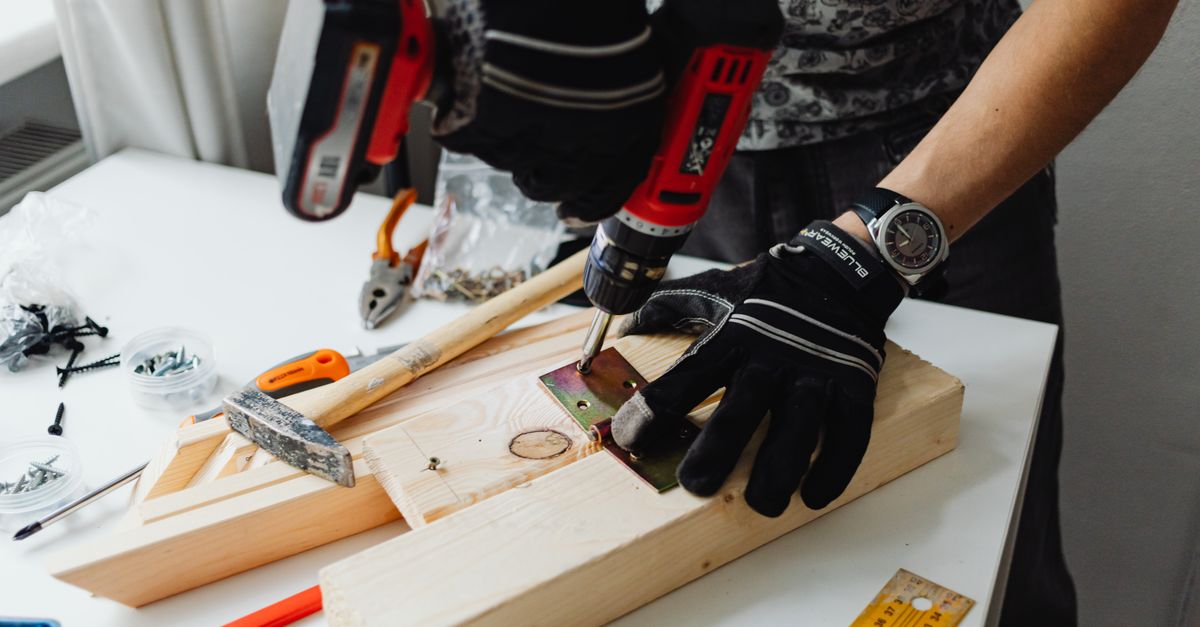
When a homeowner faces a deck problem, new flooring, or a smart‑home upgrade, the first question is: should I call an on‑demand handyman service or wait for a scheduled appointment? The answer depends on urgency, scope, and budget. This guide breaks down the key factors that help you decide when to use emergency handyman services versus planning a larger project.
1. Understanding Deck Maintenance Needs
Decks are exposed to weather, moisture, and foot traffic. Regular maintenance—cleaning, staining, and inspection—extends life and prevents costly repairs. I’ve spent countless weekends sanding a backyard deck for my kids’ soccer practice, learning that small issues, if ignored, become emergencies.
Common Deck Maintenance Tasks
- Power washing to remove algae and grime
- Reapplying stain or sealant every 2–3 years
- Replacing broken boards before they compromise structural integrity
- Tightening loose fasteners and checking for rot in joists
- Installing or repairing railings for safety compliance
If a board splinters or a railing falls, that’s an emergency. If you’re simply re‑staining or repainting, schedule a regular service.
Seasonal Deck Care Tips
- Spring: Inspect for hidden rot after winter dampness; apply fresh sealant to prevent water infiltration.
- Summer: Keep the deck dry by promptly fixing leaks; use a UV-resistant stain to guard against sun damage.
- Fall: Remove leaves and debris that can trap moisture; plan for a power wash before winter.
- Winter: Cover the deck if you live in an area with heavy snowfall to reduce ice buildup.
These simple seasonal checks keep your deck healthy and reduce the need for emergency repairs later on.
DIY vs Professional Deck Work
Many homeowners attempt minor tasks—tightening screws or applying stain—without professional help. While this saves money, it can backfire if you lack proper tools or experience. For instance, a DIY stain job that dries unevenly can attract mildew and require a full re‑staining later. A licensed contractor brings the right equipment, finishes evenly, and often offers a warranty on workmanship.
2. Recognizing Emergency Handyman Situations
An emergency handyman service is your go-to when damage threatens safety or causes significant inconvenience. I’ve called for urgent repairs after storms knocked down a section of my deck and once for a leaking pipe that flooded the basement. The key indicators are:
Signs You Need Immediate Help
- Structural instability—boards wobble or sag
- Water damage in living spaces or electrical hazards
- Visible rot or mold that could spread quickly
- Electrical faults exposed by a storm or accidental contact
- Roof leaks that reach the interior of your house
In these cases, waiting for a scheduled appointment can cost you more in damage and downtime.
What to Do Before Calling an Emergency Handyman
- Assess Safety: If you notice exposed live wires or large structural cracks, avoid touching anything until help arrives.
- Turn Off Power: For electrical issues, switch off the circuit breaker to prevent shocks.
- Document the Damage: Take photos and note the exact location; this helps the technician diagnose quickly.
- Contact a Reputable Provider: Have a list of trusted on‑demand services ready so you can act within hours.
Following these steps ensures that the emergency call is productive and prevents further harm.
3. Smart Home Installation Basics
Smart‑home tech—from voice assistants to automated lighting—offers convenience but requires careful planning. I’ve installed smart thermostats, security cameras, and whole‑house audio systems that integrate with my daily routines. The installation process usually involves wiring, software setup, and testing.
Factors Affecting Smart Home Installations
- Existing electrical infrastructure (age, capacity)
- Internet bandwidth for connected devices
- Compatibility of new gadgets with current systems
- Room layout and placement of sensors or switches
- Desired level of automation versus manual control
When you need a quick fix—like adding a smart outlet—or a full system overhaul, on‑demand services can be scheduled for the exact day you’re available.
Planning Your Smart Home Project
- Create an Inventory: List all devices you want to integrate (thermostats, lights, cameras).
- Map Connectivity: Ensure your router can handle multiple streams; consider a mesh network if coverage is spotty.
- Check Power Loads: High‑power devices such as smart HVAC controls may need dedicated circuits.
- Define Automation Rules: Decide which actions are triggered by sensors (e.g., lights on when motion detected).
- Schedule Installation: For a full overhaul, book an on‑demand team for a day to handle wiring and setup; for isolated upgrades, schedule smaller sessions.
This structured approach reduces surprises and keeps the project within budget.
4. Flooring Installation Considerations
Installing new flooring is often a multi‑day job involving preparation, material delivery, and finishing touches. I’ve swapped vinyl plank floors in my office for hardwood to increase resale value, watching how prep work can change the timeline dramatically.
Key Steps in Flooring Installation
- Measuring room dimensions accurately
- Removing existing flooring or subfloor repairs
- Acclimating new materials to indoor temperature and humidity
- Laying underlayment for moisture control
- Installing baseboards and trim for a polished look
If you’re looking at a quick replacement in one room, an on‑demand service can often handle it within a day. For full‑house projects, plan ahead to coordinate deliveries and labor.
Choosing the Right Flooring Material
- Vinyl Plank: Durable, water‑resistant, and easy to install; best for high‑traffic areas.
- Hardwood: Adds warmth and resale value but requires proper acclimation and humidity control.
- Laminate: Mimics hardwood at a lower cost; needs a moisture barrier in basements.
- Cork: Soft underfoot and eco‑friendly, but susceptible to water damage if not sealed properly.
The material choice influences both cost and the complexity of the installation. For instance, installing hardwood often demands an extra day for acclimation, whereas vinyl can be laid directly after subfloor prep.
5. On‑Demand Handyman Services – How They Work
On‑demand services let you book a professional for the exact time you need them—sometimes same day. The process is simple: request via app or website, receive an estimate, confirm details, and have a technician arrive.
Typical On‑Demand Workflow
- Submit job details and preferred timeframe
- Receive instant quote and service window
- Confirm booking and provide location access
- Technician arrives with tools and materials
- Job is completed, inspected, and payment processed online
This model works best for:
- Minor repairs or maintenance tasks
- Quick smart‑home device installations
- Emergency fixes that cannot wait for a scheduled appointment
On‑Demand vs Scheduled Appointments: A Quick Comparison
| On‑Demand | Scheduled Appointment | |
|---|---|---|
| Availability | Same day or next hour | Usually a week or more in advance |
| Scope | Small, defined jobs | Large projects with multiple phases |
| Cost Transparency | Instant quote based on job details | Detailed proposal after site visit |
| Flexibility | High—can be rescheduled quickly if needed | Lower—rescheduling may incur penalties |
| Warranty & Follow‑Up | Usually limited to the job itself | Often includes post‑completion support |
Choosing between these models depends on how urgently you need the work and how complex the task is.
6. Choosing the Right Service Provider
A reputable provider will have transparent pricing, verified credentials, and positive reviews. I’ve vetted many contractors by checking licensing, insurance, and portfolio samples.
What to Look For
- Clear written estimates with breakdowns of labor and materials
- Proof of state or local licensing for specific trades (e.g., electrical)
- Customer reviews highlighting punctuality and quality
- Warranty on workmanship and materials
- Availability for both scheduled and emergency work
Always ask for references if the job is large or complex. For smaller, routine tasks, a quick call to a local handyman can suffice.
Red Flags to Avoid
- No written contract or vague scope of work
- Requests for upfront payment without a detailed estimate
- Lack of insurance documentation
- Inconsistent pricing across similar services
- Negative reviews about post‑job follow‑up
Identifying these signs early saves you from costly mistakes and unsatisfactory results.
7. Cost Breakdown and Budget Planning
Understanding what drives cost helps you avoid surprises. Deck maintenance is typically lower per square foot than flooring installation because it involves less material and labor. Smart‑home upgrades vary widely based on the number of devices and integration complexity.
Estimated Price Ranges (2026)
- Deck Maintenance: $200–$600 for routine cleaning, staining, or minor repairs
- Emergency Handyman Service: $150–$300 per hour plus material costs
- Smart‑Home Installation (basic): $500–$1,500 depending on devices and wiring
- Flooring Installation (per sq ft): $4–$12 for vinyl, $8–$20 for hardwood, $6–$15 for laminate
In my experience, budgeting 10% extra for unexpected issues—like hidden rot or outdated wiring—keeps projects on track.
Sample Budget for a Mid‑Range Deck Overhaul
- Power washing: $150
- Stain/sealant (1 gallon): $80
- Replacement boards (10 boards @ $15 each): $150
- Fasteners & sealants: $70
- Professional labor (8 hrs @ $35/hr): $280
- Total: $830 (plus 10% contingency = $913)
Adjust the figures based on local labor rates and material costs to create a realistic estimate for your home.
8. Common Mistakes to Avoid
Even seasoned homeowners fall into pitfalls that inflate costs or compromise quality. Here are the top errors I’ve seen:
- Delaying deck inspections until after a storm
- Choosing the cheapest contractor without checking credentials
- Skipping a detailed scope of work for smart‑home projects
- Underestimating flooring prep time, leading to rushed installations
- Ignoring warranty terms and post‑service support
Avoiding these mistakes means fewer headaches and better long‑term results.
Additional Pitfalls
- Overlooking local building codes when installing new decks or flooring.
- Failing to obtain necessary permits for major structural changes.
- Assuming all smart devices are plug‑and‑play without checking power requirements.
- Neglecting to test water drainage around a deck, leading to future rot.
Being proactive about these issues preserves your investment and ensures safety.
Key takeaway: Use on‑demand handyman services for urgent or quick tasks; plan scheduled appointments for larger projects like full deck overhauls, flooring installations, or comprehensive smart‑home upgrades to ensure quality and budget control.In my experience, the biggest surprise cost came from a hidden water leak that required both emergency plumbing work and subsequent deck reconstruction. The lesson? Inspect early, act fast on emergencies, but schedule properly for major changes.
What’s your biggest challenge when coordinating multiple home improvement projects at once?


