
What Should I Look For When Hiring Backyard Handyman Services?
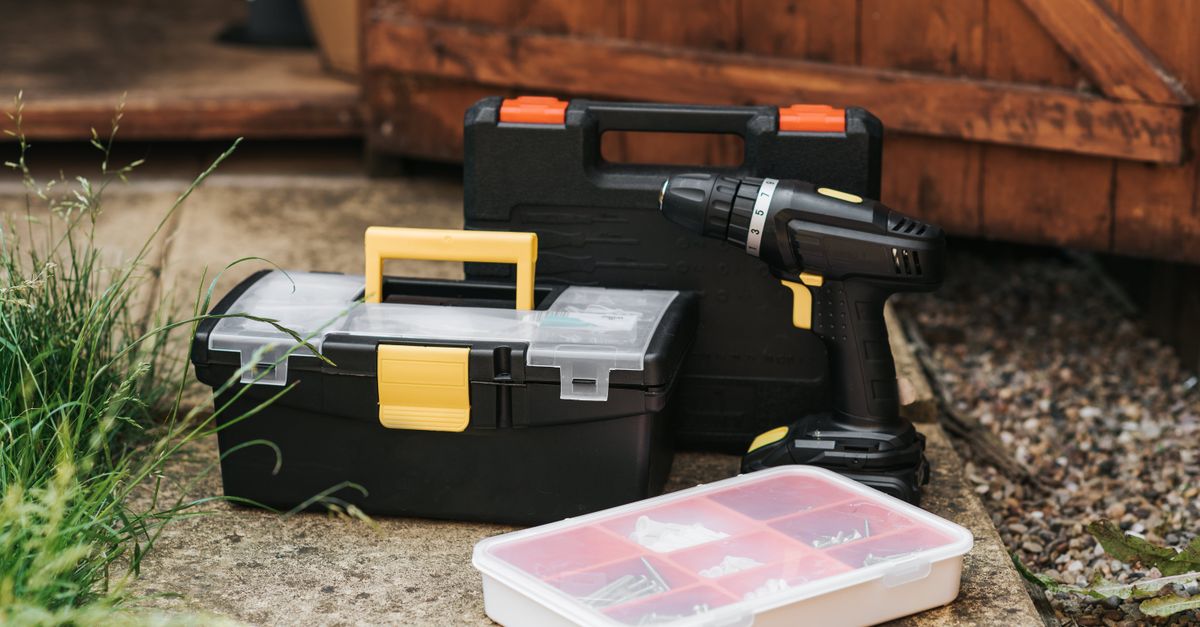
I’ve spent years building systems that streamline everyday tasks, and one area where efficiency can’t be overlooked is home maintenance. Whether you’re a homeowner who wants to keep the deck looking pristine, a parent needing cabinet repairs before holiday guests arrive, or someone battling clogged gutters after a storm, hiring a handyman for hire is often the smartest move. Backyard handyman services cover a broad range of tasks—from deck maintenance and cabinet repair to gutter repair services—making it easier to keep your property in top shape without becoming a full‑time DIYer.
1. What Backyard Handyman Services Cover
The scope of backyard handyman work is surprisingly extensive. A qualified professional will handle everything from routine inspections, seasonal clean‑ups, and minor repairs, to more specialized tasks like installing new deck railings or replacing broken cabinet hinges. Many handymen also offer services such as pressure washing patios, sealing decks against moisture, and installing gutter guards that prevent clogs.
When you’re looking for a handyman for hire, I always ask: “What specific backyard tasks do you handle?” The answer should align with your priorities—whether it’s keeping the deck safe or ensuring gutters drain efficiently. A good handymen’s portfolio often includes before‑and‑after photos that showcase their versatility across different materials, from hardwood decks to laminate cabinets.
In my experience, a handyman who offers bundled services often saves both time and money. By addressing multiple issues in one visit, they reduce travel costs and streamline scheduling. For example, if you need deck staining and gutter cleaning at the same time, a single appointment can cover both, leaving you free to focus on other projects.
2. Key Tasks: Deck Maintenance, Cabinet Repair, Gutter Repair
Three core tasks typically fall under backyard handyman services:
- Deck maintenance: sanding, staining, sealing, and repairing structural damage.
- Cabinet repair: fixing loose doors, replacing hinges, or updating hardware.
- Gutter repair services: cleaning, re‑aligning, installing guards, and sealing leaks.
Each of these tasks requires specific tools and expertise. For instance, proper deck maintenance involves using a pressure washer calibrated to the wood type to avoid stripping the finish. Cabinet repairs demand precision cuts and quality hardware to ensure longevity. Gutter work must account for local rainfall patterns; a well‑installed guard can reduce maintenance by up to 80%. When hiring, confirm that the handyman has experience with all three areas if you need them addressed simultaneously.
Beyond these basics, many handymen also offer related services such as installing outdoor lighting fixtures, repairing fencing, or even small electrical jobs like replacing outlet switches in the porch area. Understanding the full range of what a professional can do helps you make informed decisions and prevents the need for multiple contractors.
3. How to Vet a Handyman for Hire
Choosing the right professional begins with a thorough vetting process. Here’s my practical checklist:
Key Takeaway: A reliable handyman will provide verifiable credentials, positive reviews, and a clear scope of work.
- Ask for proof of insurance and licensing; verify through state databases.
- Request references from recent clients in the same service categories.
- Check online reviews on platforms like Google, Yelp, and Angie’s List.
- Ensure they provide a written estimate with itemized costs.
- Confirm availability for follow‑up maintenance or emergency repairs.
In my experience, handymen who are transparent about their process—showing before‑and‑after photos of similar projects—tend to deliver higher quality results. A solid reputation in the community often reflects consistency and professionalism.
It can also be helpful to ask a prospective handyman how they handle unexpected complications. For example, if a deck panel turns out to be warped beyond simple sanding, does the contractor propose a full replacement or a partial repair? Knowing their problem‑solving approach gives you confidence that they will not leave you with hidden surprises.
4. Cost and Value: Pricing Models and Budgeting Tips
Pricing for backyard handyman services varies widely, but there are common models:
- Hourly rates: typically range from $50 to $90 per hour depending on location and expertise.
- Flat‑rate projects: useful for predictable jobs like deck sealing or cabinet replacement.
- Package deals: bundling multiple tasks can reduce the overall cost by 10–15%.
When budgeting, factor in hidden costs such as material fees, travel time, and potential add‑on services. A reputable handyman will list all expenses upfront, helping you avoid surprise charges. I’ve found that setting a clear budget before contacting professionals prevents scope creep and keeps projects on track.
A practical tip is to request two or three written estimates for the same job. Comparing these can reveal whether a contractor’s pricing is within the typical market range or if they are overcharging for basic services. Additionally, ask whether they provide any warranties on labor or materials—this can add significant value and protect you from future issues.
5. DIY vs Professional – When to Skip the Job
Some homeowners attempt quick fixes—like using a screwdriver to tighten cabinet hinges or applying a DIY deck stain. While these can be cost‑effective for minor issues, they often fail under stress or weather exposure. Here’s when professional help is essential:
- Structural deck damage that compromises safety.
- Cabinet repairs involving electrical wiring or plumbing.
- Gutter systems with severe leaks or improper slope.
When a task requires specialized tools, knowledge of building codes, or potential hazards, hiring a handyman is the safest bet. In my experience, investing in professional services for these critical areas pays off by preventing costly future repairs.
Even if you’re an experienced DIYer, consider bringing in a handymen when the job involves complex carpentry or intricate plumbing. Their precision and familiarity with local regulations can save you time and avoid code violations that could result in fines or safety risks.
6. Maintaining the Relationship and Ongoing Care
A one‑time repair isn’t enough to keep your backyard in top shape. Establishing an ongoing relationship with a trusted handyman offers several benefits:
- Regular inspections can catch issues before they become major problems.
- Seasonal maintenance—like winterizing gutters or spring deck cleaning—is easier when you have a scheduled routine.
- A reliable partner knows your property’s history and can anticipate needs.
I recommend setting up a maintenance plan that aligns with seasonal demands. For example, schedule gutter clean‑ups in early fall and deck sealing in late summer. This proactive approach saves money and extends the life of your outdoor spaces.
Many handymen offer subscription-style services where they visit quarterly or biannually for routine checks. While this may sound expensive upfront, it often reduces emergency repair costs by preventing small problems from escalating. Additionally, a long‑standing relationship can lead to discounted rates as trust builds over time.
Before signing any contract, clarify payment schedule, deadlines, and how disputes will be handled. A clear agreement protects both parties and ensures that the work is completed on time and within budget.
What is the most common issue you’ve encountered when hiring handymen for backyard maintenance?


