
What Should You Look For When Hiring a Handyman for Office, Deck, and Closet Work?
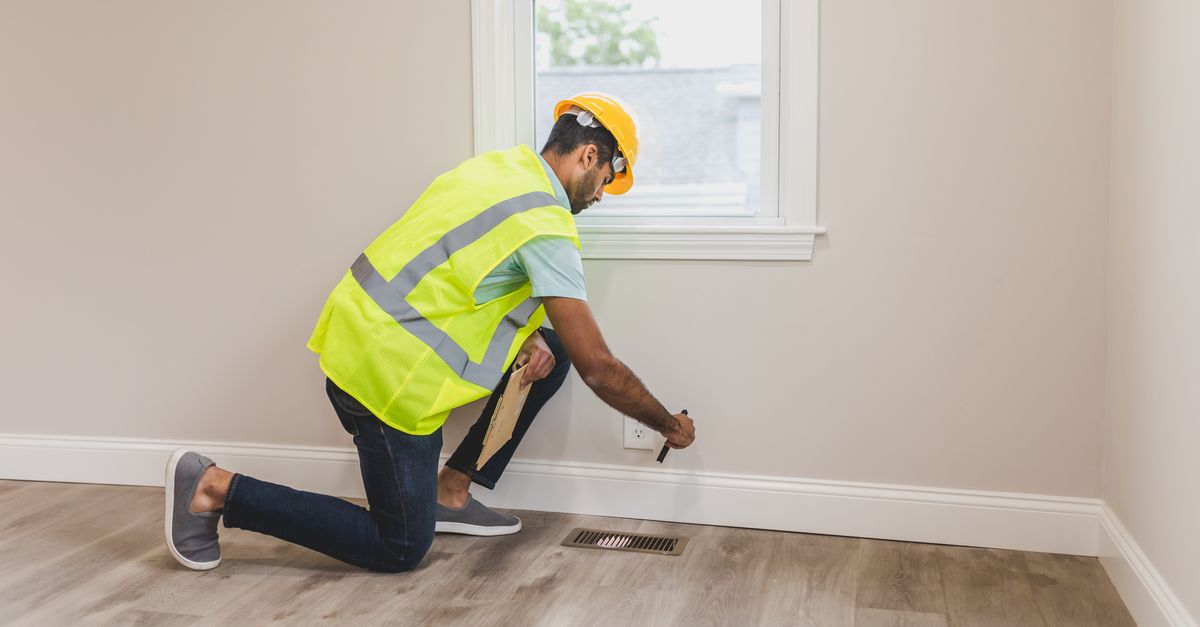
I’ve spent years juggling multiple projects—from scaling tech startups to designing custom home spaces—so when my office needed routine maintenance or I wanted to upgrade my backyard deck, I knew I had to pick a reliable handyman. The right professional can save me time, money, and headaches.
1. Defining the Scope: Office Maintenance vs. Backyard Projects
The first step is to separate tasks by environment. Office maintenance typically involves electrical inspections, HVAC checks, and small repairs that keep a workspace running smoothly. Backyard handyman services cover outdoor structures like decks, patios, fences, and landscaping. Each requires different skill sets.
If you’re tackling both, look for a contractor who lists experience in both indoor and outdoor work, or be prepared to hire two specialists. Mixing them can lead to scope creep and higher costs.
Key Tasks for Each Category
- Office: Power strip upgrades, light fixture replacements, small plumbing leaks, ergonomic desk repairs
- Backyard: Deck resurfacing, patio stone replacement, pergola framing, irrigation system checks
- Closets: Shelving installation, custom rod fitting, built‑in wardrobe assembly
Once the scope is clear, document it in writing. A simple project brief outlining objectives, deliverables, and deadlines helps both parties avoid misunderstandings later on. If you keep a shared folder with photos of existing conditions, the handyman can reference them to confirm that the work meets your expectations before proceeding.
2. Evaluating Experience with Deck and Patio Repair
Decks and patios are high‑visibility features; their failure can be costly. When reviewing candidates, ask for examples of previous deck and patio repair projects. Look for:
- Proof of proper joinery—no loose boards or misaligned tiles.
- Use of quality materials that match your existing structure.
- Knowledge of local building codes for load limits and railing requirements.
In my experience, a handyman who can explain the difference between pressure‑treated lumber and rot‑resistant composite panels shows they care about longevity over cheap fixes.
A thorough deck repair process typically begins with a safety assessment to identify any structural weaknesses. The professional then removes damaged boards, replaces them with matched materials, and applies an appropriate sealant or stain that protects against moisture and UV exposure. Finally, a final inspection verifies that all fasteners are secure and the surface is level before the client signs off.
3. Custom Closet Installation: Turning Chaos into Order
Custom closets are an investment in organization and space optimization. A good contractor will:
- Measure accurately—mistakes here cost time and money.
- Recommend modular systems that adapt to future needs.
- Use durable hardware to prevent sagging over years of use.
Many handymen offer free design consultations; take advantage of this. It helps you avoid costly changes later.
During a consultation, the handyman often sketches layout options and suggests shelving configurations that maximize storage while keeping the space accessible. They may also recommend built‑in lighting or pull-out organizers that fit seamlessly into the design, giving you both functionality and aesthetic appeal without additional remodeling costs.
4. Trustworthiness: How to Vet a Handyman
The phrase “trusted handyman services” isn’t just marketing fluff. Here’s how to verify trust:
- Ask for written references from recent clients and follow up with them.
- Check online reviews but focus on detailed feedback rather than star counts.
- Confirm they’re licensed, insured, and bonded—especially for office work where liability is higher.
If a contractor can’t provide any of these, it’s a red flag. I’ve seen projects derail when the handyman omitted insurance; the owner had to cover repair costs out‑of‑pocket.
When reviewing insurance documents, look for general liability coverage that covers accidental damage and workers’ compensation that protects employees in case of injury. A bonded contractor also offers an additional layer of security, ensuring you’re reimbursed if a dispute arises over the work performed.
5. Cost Considerations and Budgeting Strategies
Pricing varies by region and project complexity. For office maintenance, expect $50–$120 per hour for skilled labor plus material costs. Deck repairs can range from $1,000 to $10,000 depending on size and materials.
Create a contingency budget of 10%–15% for unexpected discoveries—like hidden wiring or water damage beneath the deck floorboards. A transparent estimate with itemized line items will prevent surprise charges.
When you receive an estimate, compare each cost component against your own research or quotes from other professionals. If a single line item seems disproportionately high, ask the handyman to explain why that expense is necessary. This practice helps you understand whether the price reflects true value or inflated labor rates.
6. DIY vs. Professional: When to Take the Plunge
Some tasks are simple enough for a weekend DIY project, such as changing light fixtures or installing shelving brackets. However, consider:
- Safety risks—electric work in an office should be handled by licensed professionals.
- Longevity—professional deck staining ensures even coverage and proper curing.
- Warranty—many handymen offer warranties on labor, which DIY won’t provide.
A common mistake is underestimating the time required for a job; I’ve spent three days on a “quick” office repair that should have taken one. Hire the pro and save both time and money.
For electrical tasks, local regulations often require permits and inspections to ensure compliance with safety codes. A licensed electrician will not only install circuits correctly but also file necessary paperwork, preventing future liability for non‑compliant work.
7. Developing a Long‑Term Maintenance Plan
Once your projects are complete, maintain them with a simple schedule:
- Quarterly: Inspect electrical outlets in the office; check deck boards for cracks.
- Biannually: Clean gutters and test HVAC filters.
- Annually: Re‑seal decks or repaint walls to prevent moisture damage.
Document each inspection, noting dates and any issues. This log helps track wear patterns and justifies future repairs to stakeholders.
In my experience, setting up a maintenance calendar saved me over $3,000 in emergency repair costs last year.Storing the schedule in a digital spreadsheet or project‑management app lets you set reminders and attach photos of inspected areas. Over time, this record becomes a valuable reference for future handymen, ensuring continuity and consistency in upkeep.
8. Effective Communication & Project Management
Clear communication is the backbone of any successful repair job. Before work starts, establish a single point of contact—usually the project manager or lead contractor—and agree on how often you’ll receive status updates. Whether through email, text, or a shared progress log, consistent updates reduce surprises and keep the timeline on track.
During the project, encourage the handyman to flag any issues that may affect scope or cost early. For example, if they discover hidden mold behind drywall, reporting it immediately allows you to decide whether to address it before proceeding or postpone it for a later phase. By fostering an open dialogue, both parties can adapt quickly and maintain trust throughout the engagement.
Conclusion: Making the Choice
Choosing a trustworthy handyman—whether for office maintenance, backyard projects, or custom closet installation—requires clarity on scope, verification of credentials, and realistic budgeting. By separating indoor from outdoor tasks, vetting experience with deck repairs, and focusing on long‑term durability, you’ll secure reliable service that protects your investment.
What’s the most important factor you consider when hiring a handyman for office or outdoor projects?


